 gdz.by


Номер 2, страница 23 - гдз по английскому языку 9 класс учебник Лапицкая, Демченко
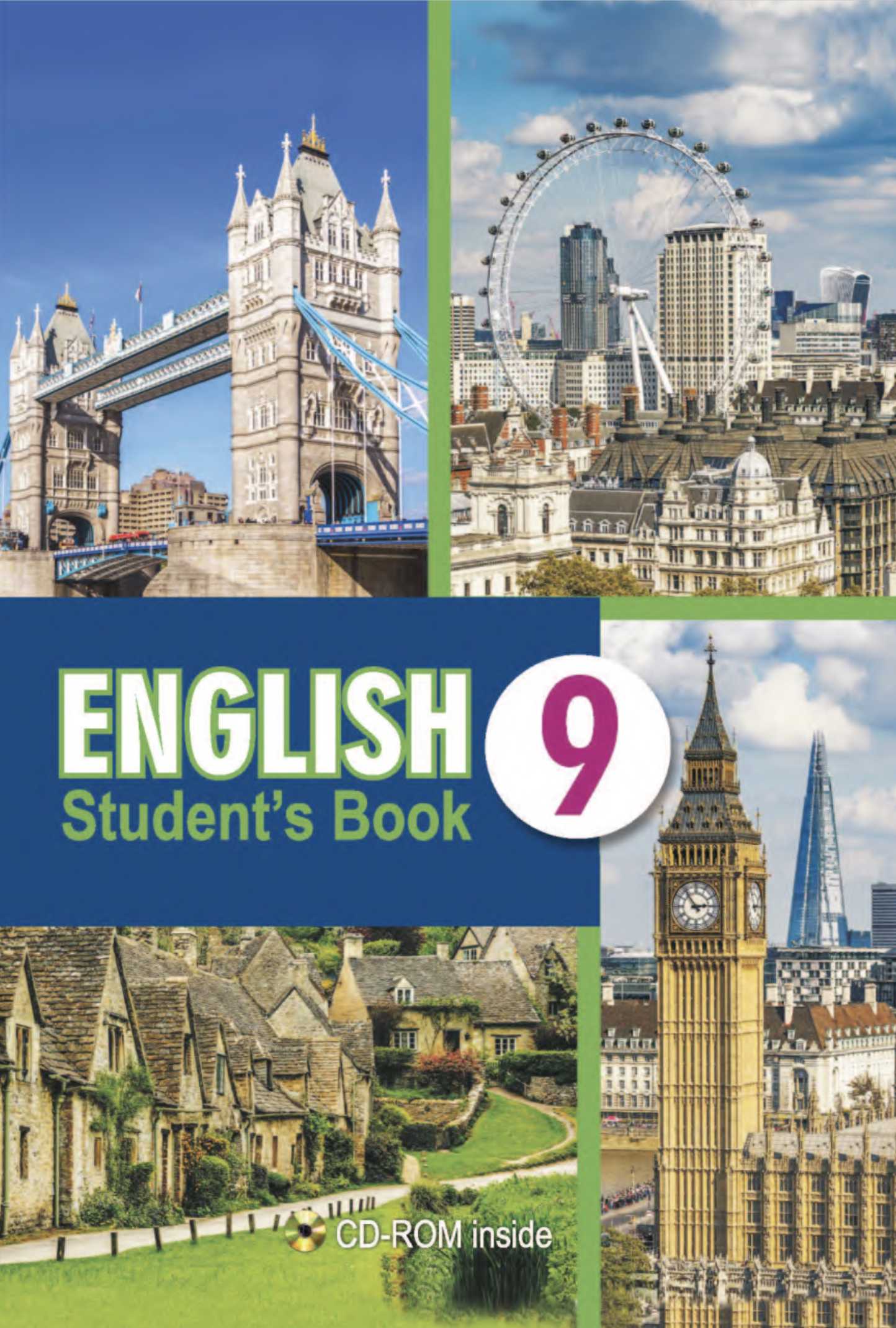
Авторы: Лапицкая Л. М., Демченко Н. В., Волков А. В., Калишевич А. И., Севрюкова Т. Ю., Юхнель Н. В.
Тип: Student's book (Учебник)
Издательство: Вышэйшая школа
Год издания: 2018 - 2025
Цвет обложки: синий
Допущено Министерством образования Республики Беларусь
Популярные ГДЗ в 9 классе










Unit 1. Family relationships. Lesson 7. Stop criticising me! - номер 2, страница 23.
 №1
№1
№2 (с. 23)
Условие. №2 (с. 23)
скриншот условия
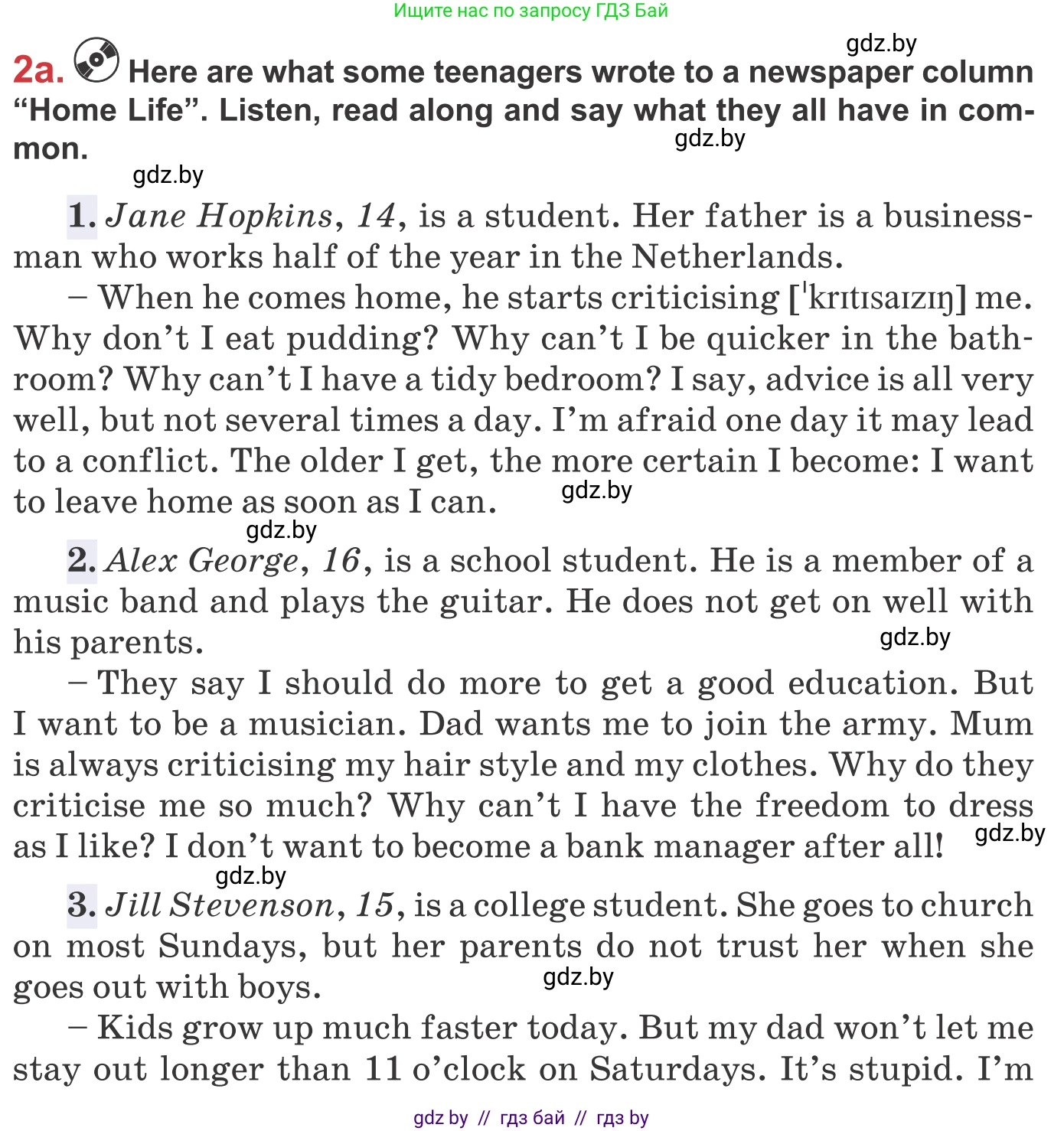
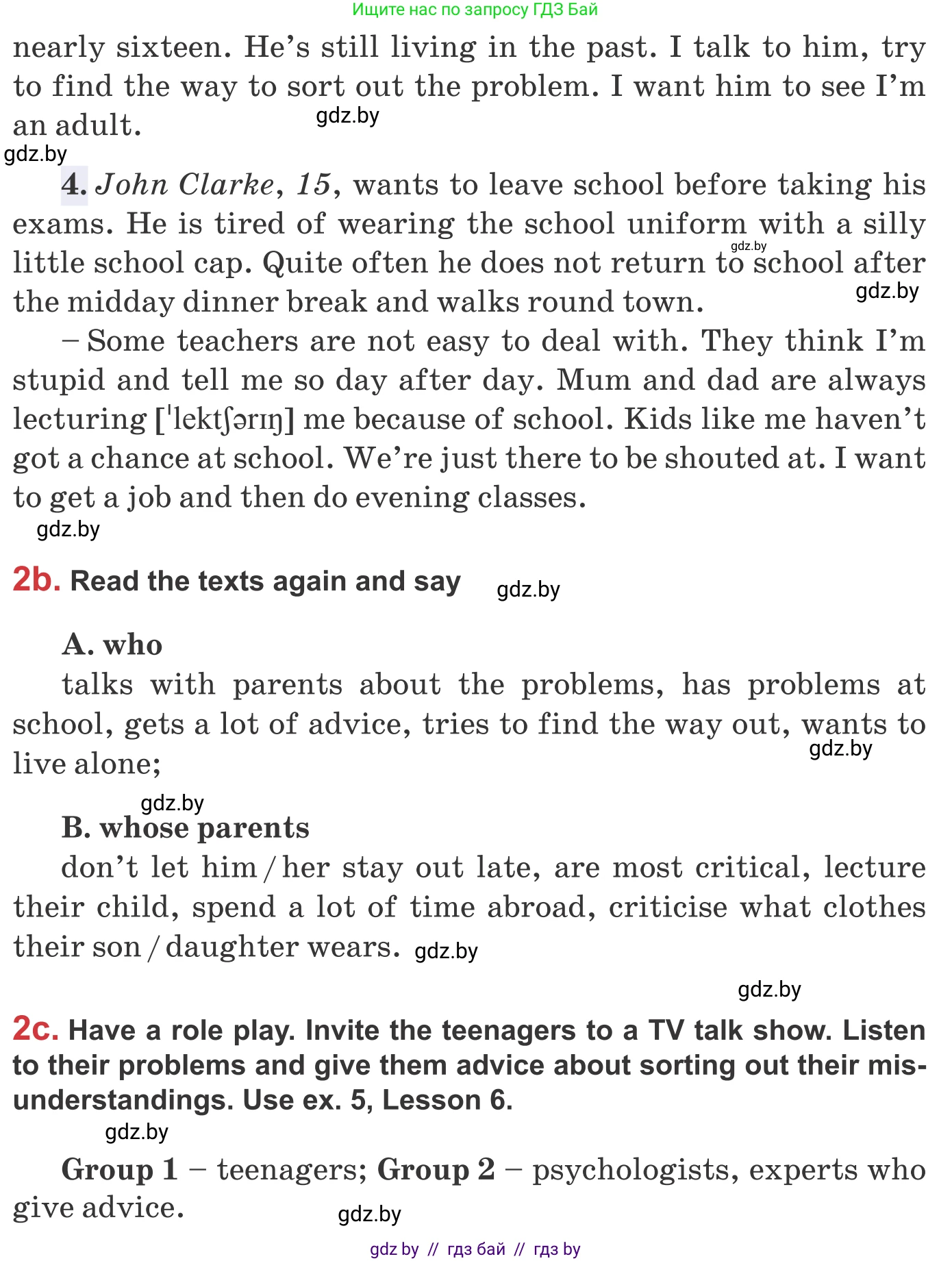
2a. Here are what some teenagers wrote to a newspaper column “Home Life”. Listen, read along and say what they all have in common.
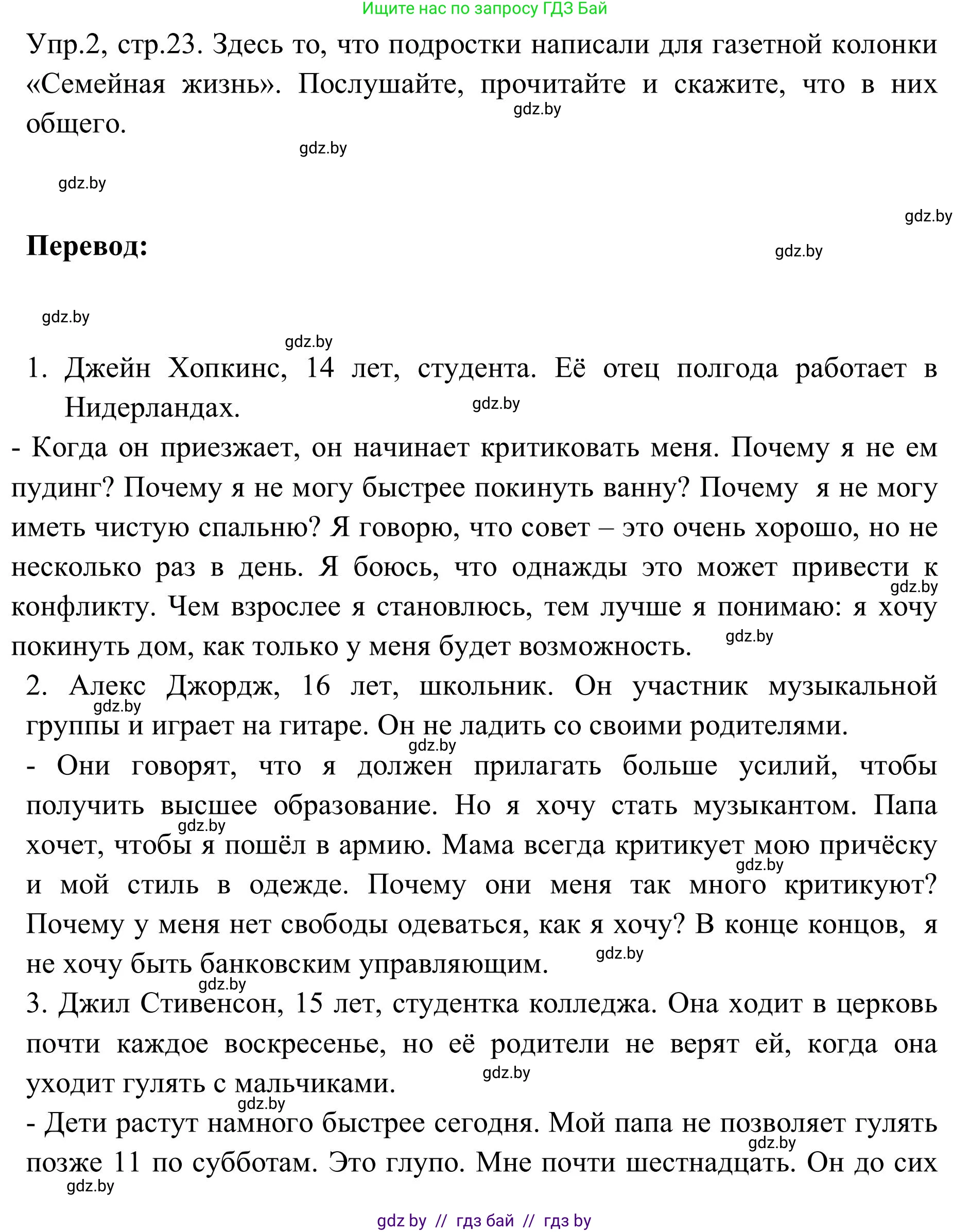
1.Jane Hopkins, 14, is a student. Her father is a businessman who works half of the year in the Netherlands.
– When he comes home, he starts criticising ['kritɪsaɪzɪŋ] me. Why don't I eat pudding? Why can't I be quicker in the bathroom? Why can't I have a tidy bedroom? I say, advice is all very well, but not several times a day. I'm afraid one day it may lead to a conflict. The older I get, the more certain I become: I want to leave home as soon as I can.
2.Alex George, 16, is a school student. He is a member of a music band and plays the guitar. He does not get on well with his parents.
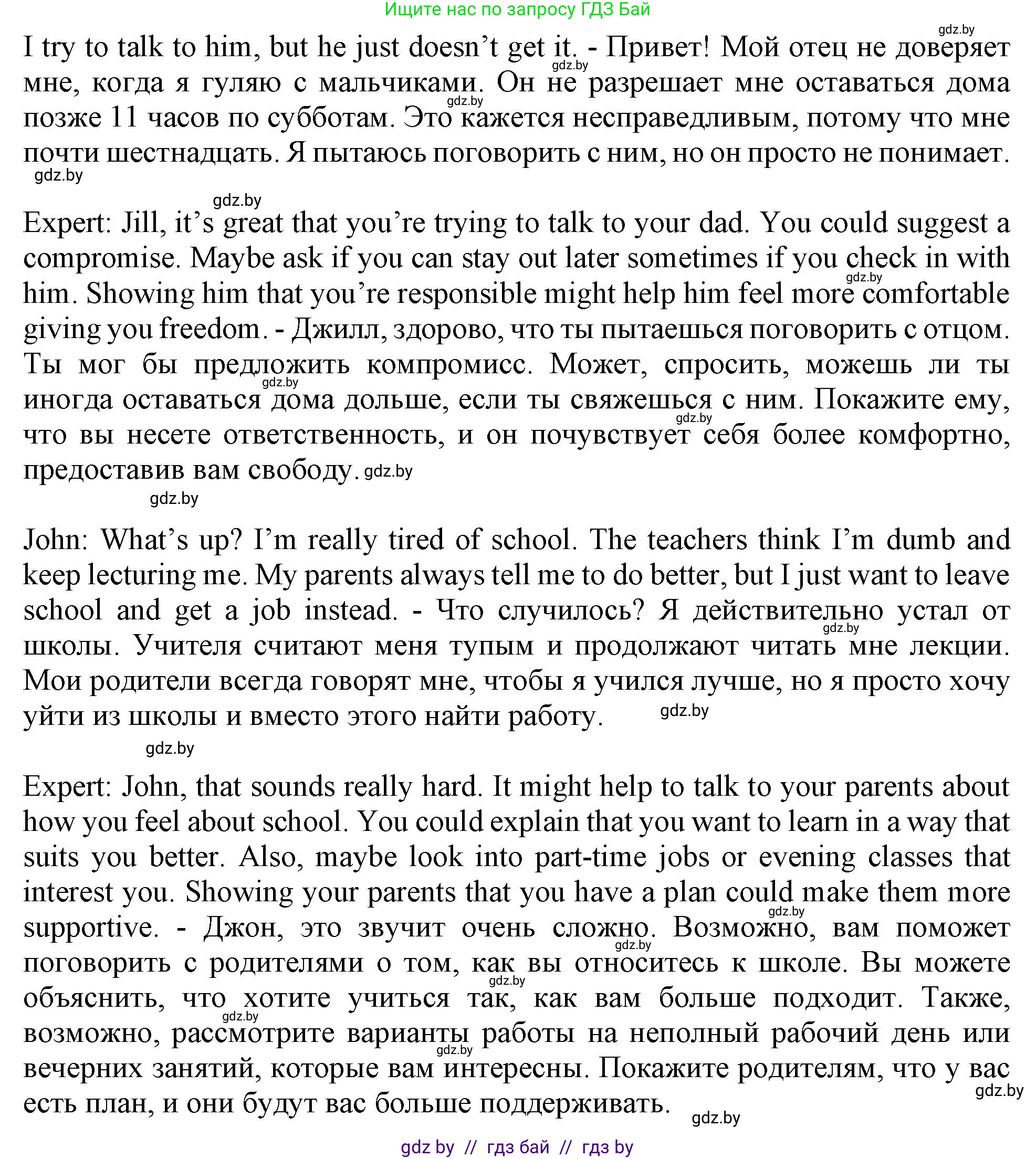
– They say I should do more to get a good education. But I want to be a musician. Dad wants me to join the army. Mum is always criticising my hair style and my clothes. Why do they criticise me so much? Why can't I have the freedom to dress as I like? I don't want to become a bank manager after all!
3.Jill Stevenson, 15, is a college student. She goes to church on most Sundays, but her parents do not trust her when she goes out with boys.
– Kids grow up much faster today. But my dad won't let me stay out longer than 11 o'clock on Saturdays. It's stupid. I'm nearly sixteen. He's still living in the past. I talk to him, try to find the way to sort out the problem. I want him to see I'm an adult.
4.John Clarke, 15, wants to leave school before taking his exams. He is tired of wearing the school uniform with a silly little school cap. Quite often he does not return to school after the midday dinner break and walks round town.
– Some teachers are not easy to deal with. They think I'm stupid and tell me so day after day. Mum and dad are always lecturing ['lektʃərɪŋ] me because of school. Kids like me haven't got a chance at school. We're just there to be shouted at. I want to get a job and then do evening classes.
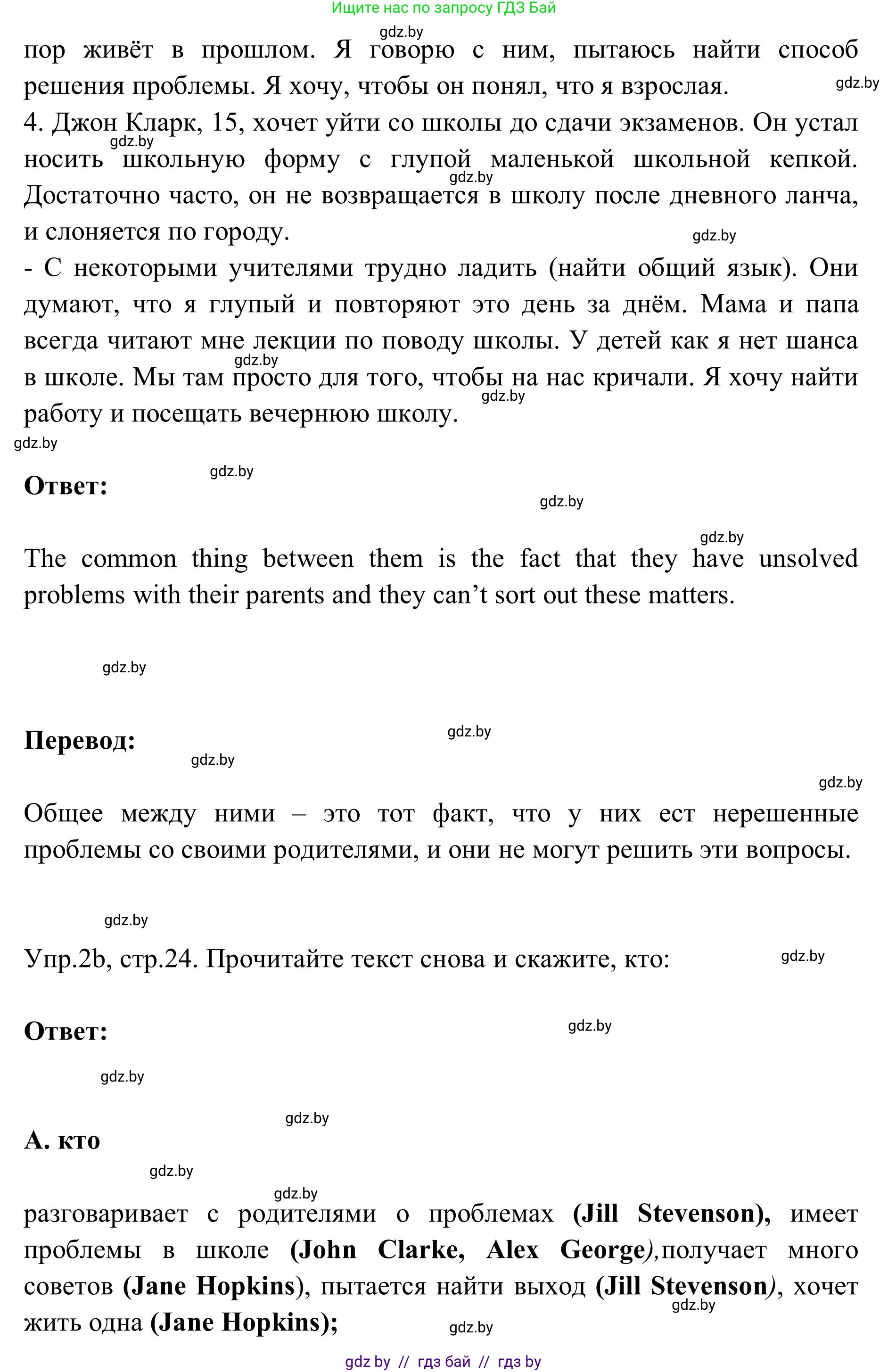
2b. Read the texts again and say
A. who talks with parents about the problems, has problems at school, gets a lot of advice, tries to find the way out, wants to live alone;
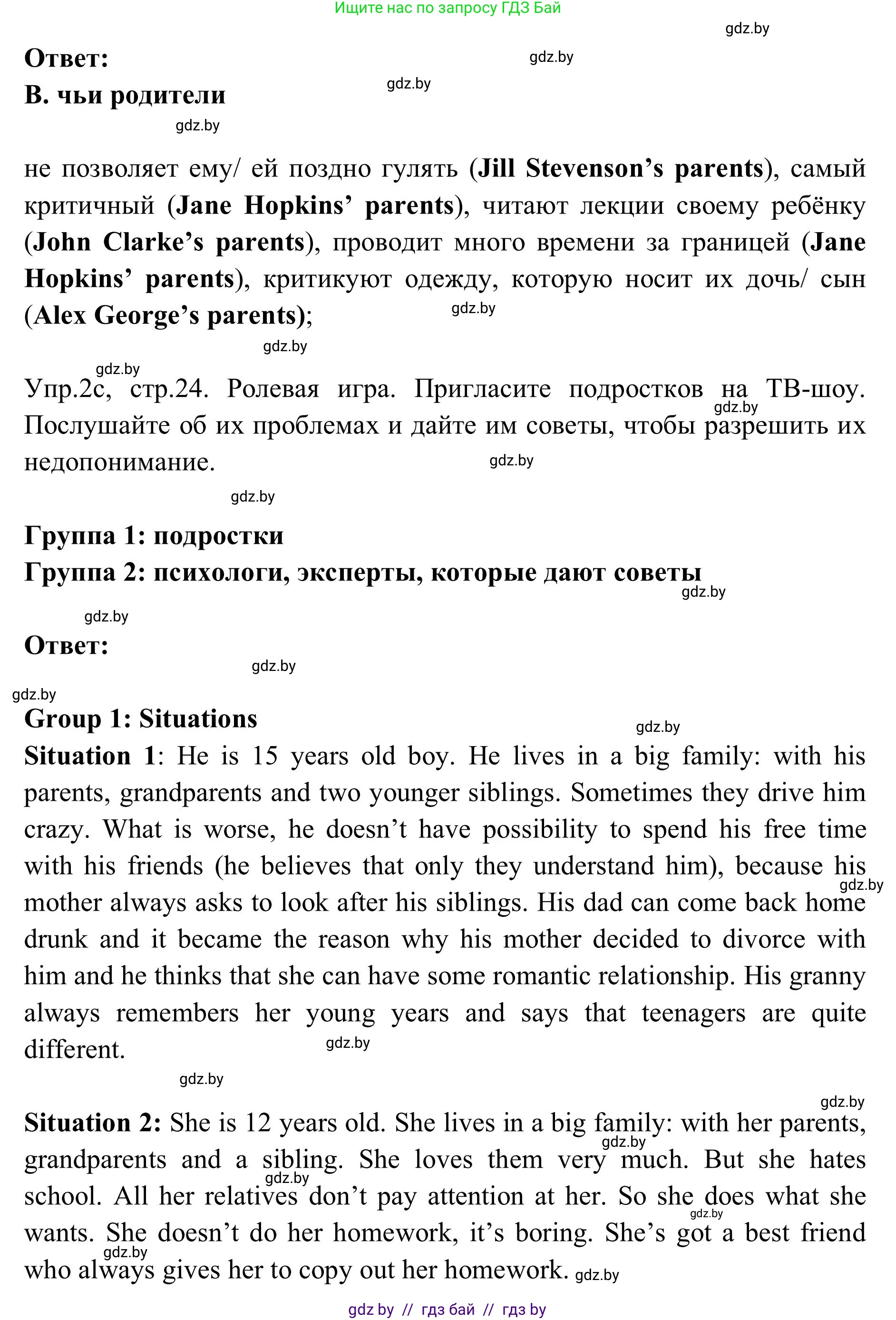
B. whose parents don't let him / her stay out late, are most critical, lecture their child, spend a lot of time abroad, criticise what clothes their son / daughter wears.
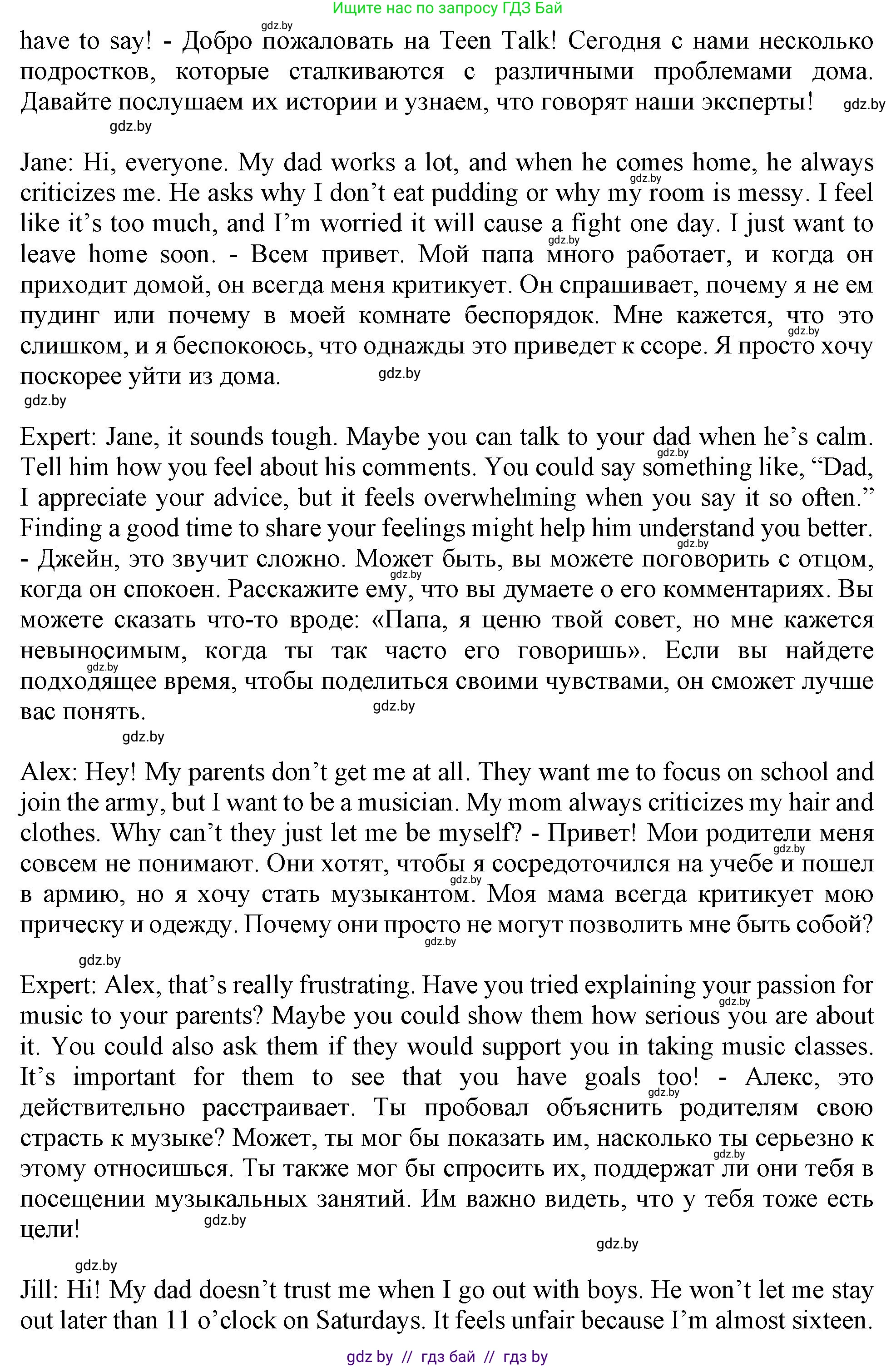
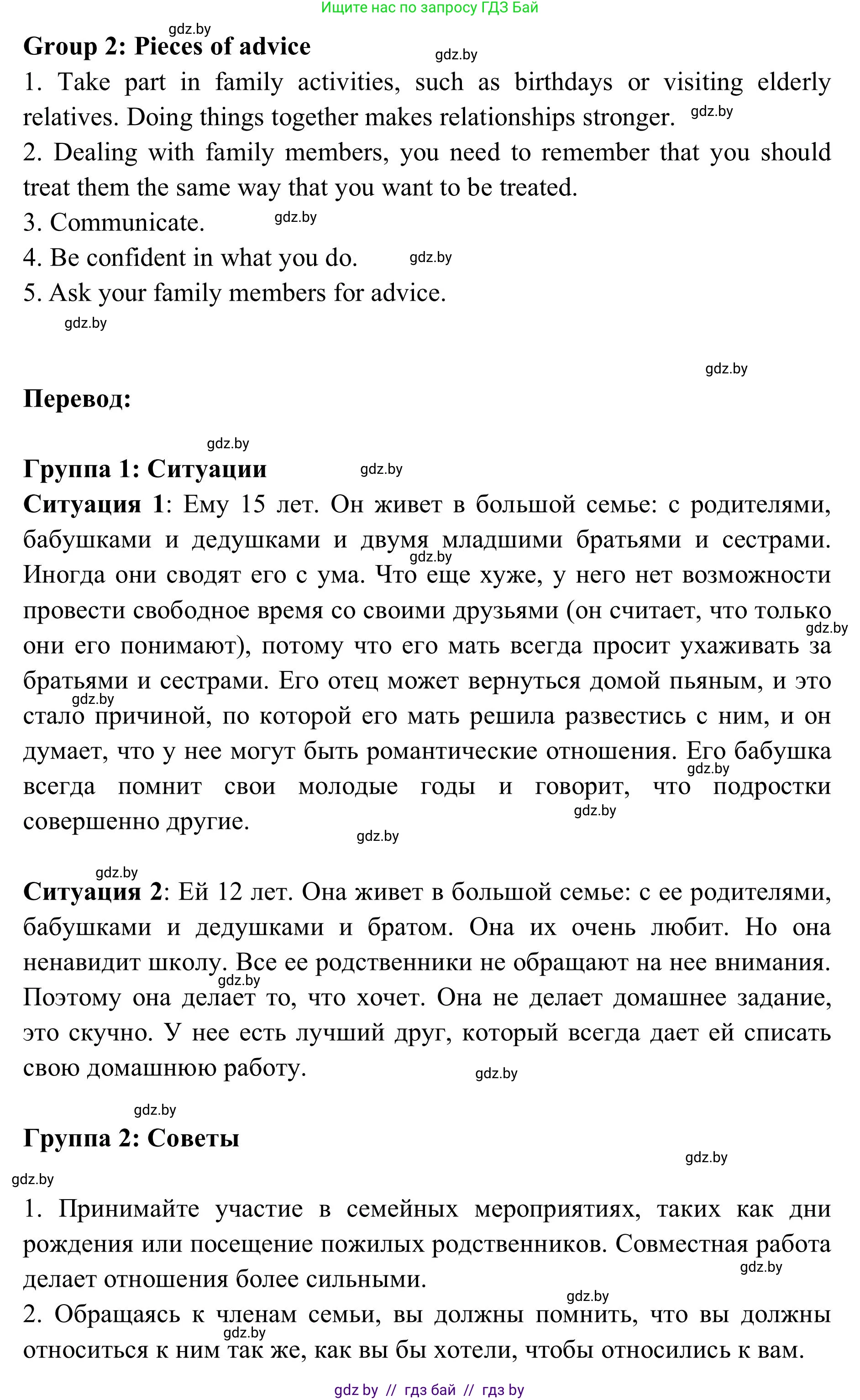
2c. Have a role play. Invite the teenagers to a TV talk show. Listen to their problems and give them advice about sorting out their misunderstandings. Use ex. 5, Lesson 6.
Group 1 – teenagers; Group 2 – psychologists, experts who give advice.
Решение 1. №2 (с. 23)
Решение 2. №2 (с. 23)

Решение 3. №2 (с. 23)
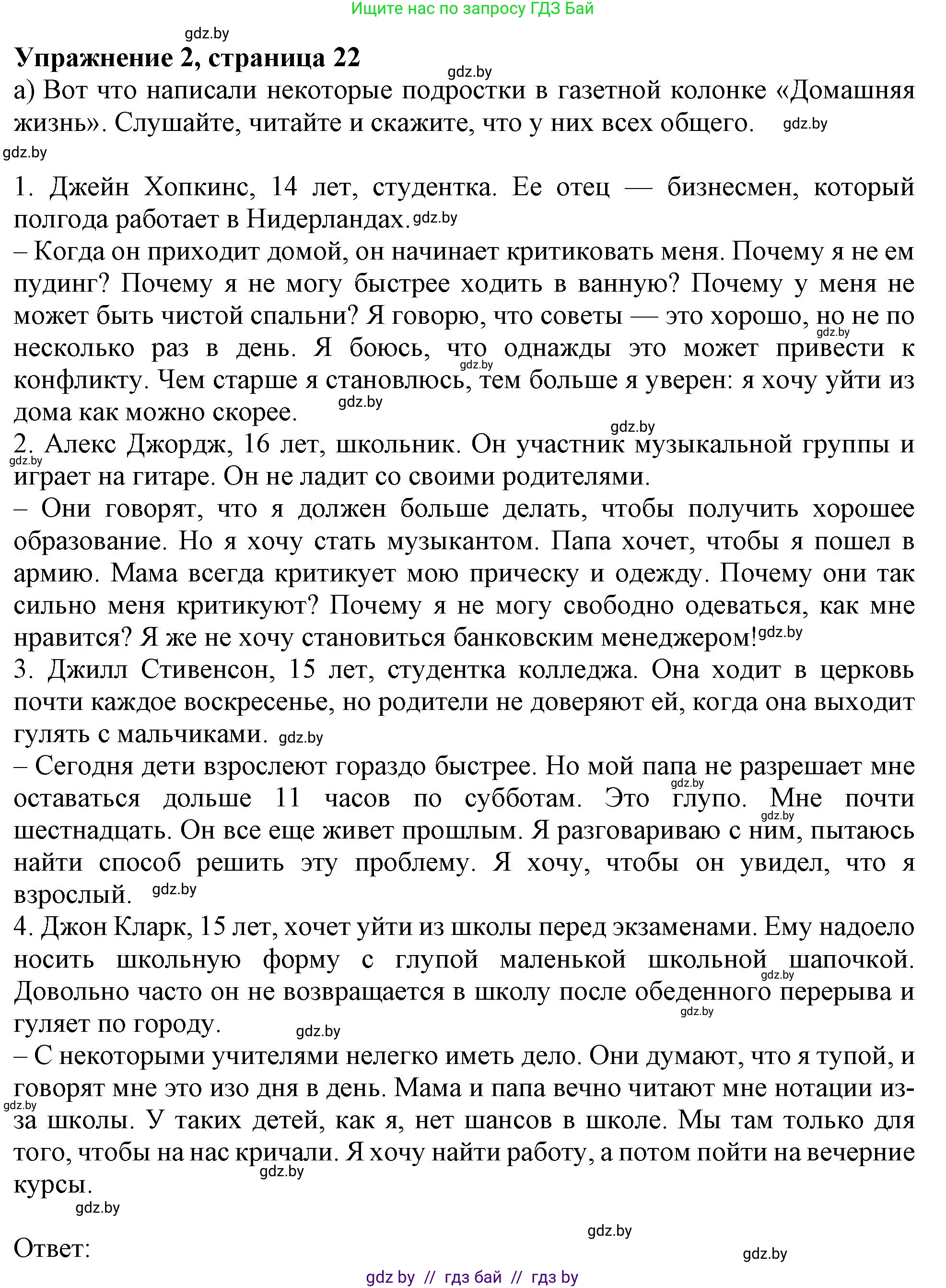
2a. Вот что некоторые подростки написали в газетную колонку «Домашняя жизнь». Послушайте, прочтите и скажите, что у них у всех общего.
2b. Прочитайте тексты еще раз и скажите
A. кто
говорит с родителями о проблемах, у кого проблемы в школе, кто получает много советов, кто пытается найти выход, кто хочет жить отдельно;
B. чьи родители
не разрешают ему/ей поздно гулять, наиболее критичны, читают нотации своему ребенку, проводят много времени за границей, критикуют одежду своего сына/дочери.
Ответ:
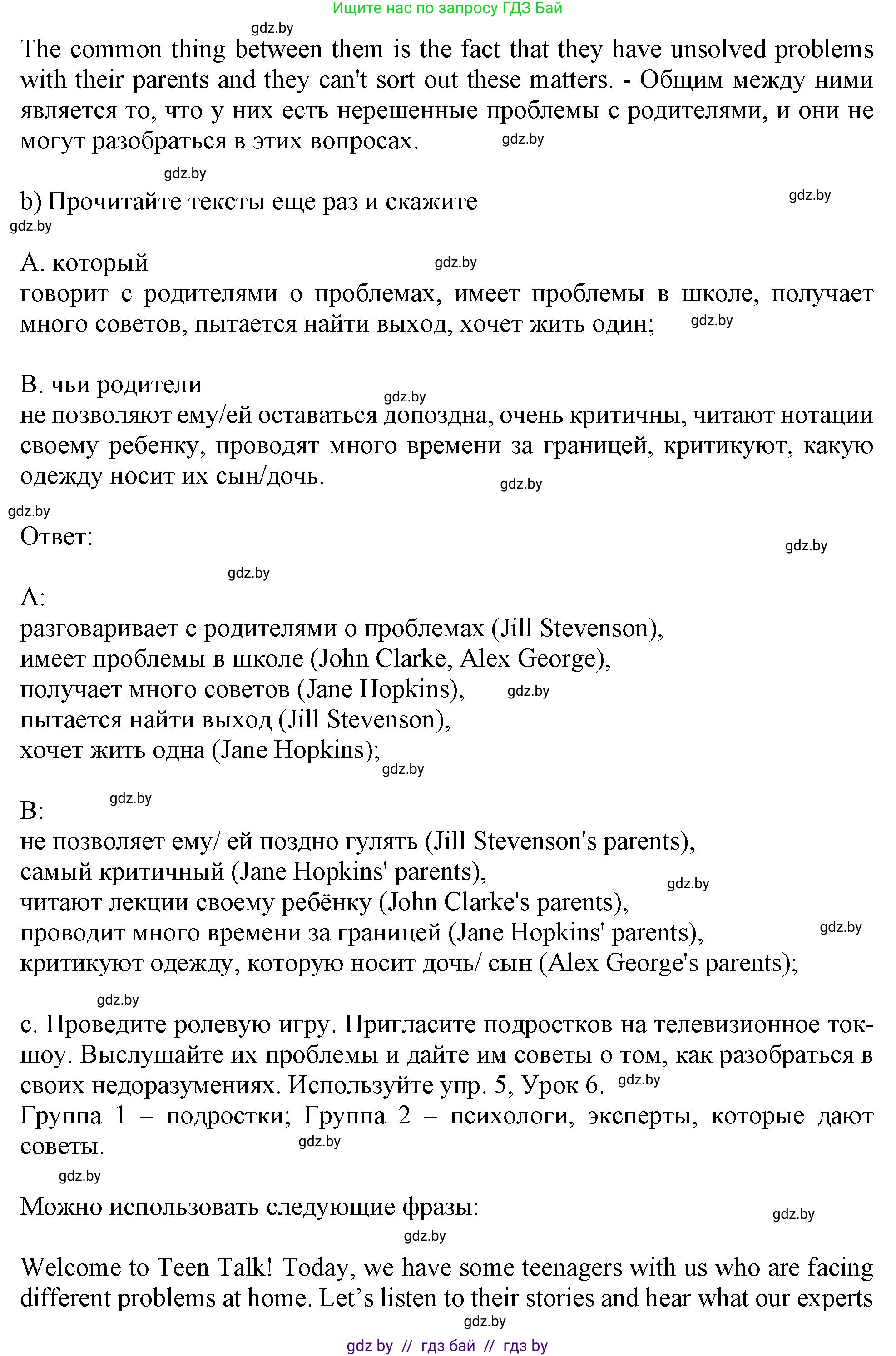
2a. All the teenagers have problems and misunderstandings with adults (parents or teachers). They feel that adults criticize them, don't trust them, and don't understand their feelings or desires.
2b. A. who
talks with parents about the problems: Jill Stevenson
has problems at school: John Clarke
gets a lot of advice: Jane Hopkins, Alex George, John Clarke
tries to find the way out: Jill Stevenson, John Clarke
wants to live alone: Jane Hopkins
B. whose parents
don’t let him/her stay out late: Jill Stevenson's parents
are most critical: Jane Hopkins's father, Alex George's parents, John Clarke's parents
lecture their child: John Clarke's parents
spend a lot of time abroad: Jane Hopkins's father
criticise what clothes their son/daughter wears: Alex George's mother
Перевод:
2a. У всех подростков есть проблемы и недопонимание со взрослыми (родителями или учителями). Они чувствуют, что взрослые критикуют их, не доверяют им и не понимают их чувств или желаний.
2b. A. кто
говорит с родителями о проблемах: Джилл Стивенсон
у кого проблемы в школе: Джон Кларк
получает много советов: Джейн Хопкинс, Алекс Джордж, Джон Кларк
пытается найти выход: Джилл Стивенсон, Джон Кларк
хочет жить отдельно: Джейн Хопкинс
B. чьи родители
не разрешают ему/ей поздно гулять: родители Джилл Стивенсон
наиболее критичны: отец Джейн Хопкинс, родители Алекса Джорджа, родители Джона Кларка
читают нотации своему ребенку: родители Джона Кларка
проводят много времени за границей: отец Джейн Хопкинс
критикуют одежду своего сына/дочери: мама Алекса Джорджа
Другие задания:

Помогло решение? Оставьте отзыв в комментариях ниже.
Присоединяйтесь к Телеграм-группе @gdz_by_belarus
ПрисоединитьсяМы подготовили для вас ответ c подробным объяснением домашего задания по английскому языку за 9 класс, для упражнения номер 2 расположенного на странице 23 к Учебник (Student's book) 2018 года издания для учащихся школ и гимназий.
Теперь на нашем сайте ГДЗ.ТОП вы всегда легко и бесплатно найдёте условие с правильным ответом на вопрос «Как решить ДЗ» и «Как сделать» задание по английскому языку к упражнению №2 (с. 23), авторов: Лапицкая (Людмила Михайловна), Демченко (Наталья Валентиновна), Волков (Андрей Валерьевич), Калишевич (Алла Ивановна), Севрюкова (Татьяна Юрьевна), Юхнель (Наталья Валентиновна), учебного пособия издательства Вышэйшая школа.